
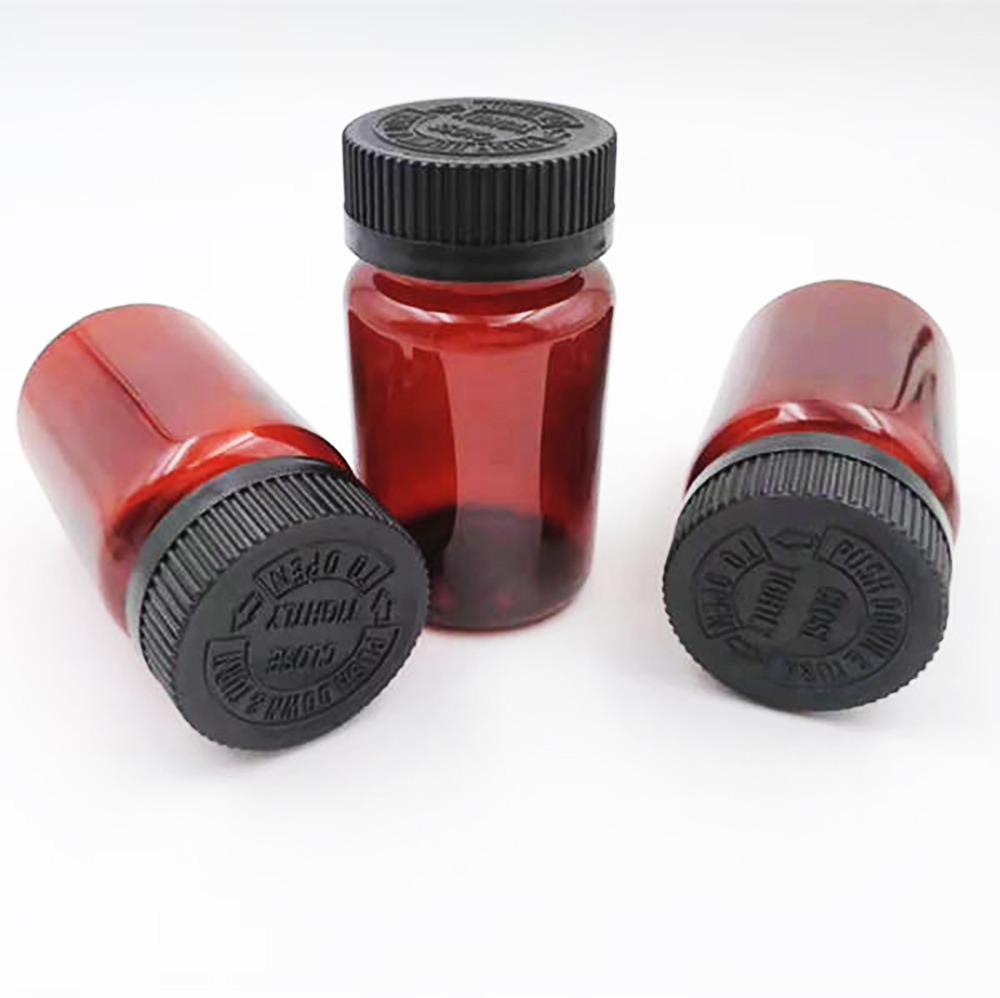
คู่มือสำคัญเกี่ยวกับมาสเตอร์แบตช์อำพันในบรรจุภัณฑ์ยา
มาสเตอร์แบตช์อำพันมีบทบาทสำคัญในการพัฒนาและการผลิตบรรจุภัณฑ์ยา โดยเฉพาะวัสดุ PET (โพลีเอทิลีนเทเรฟทาเลต)
วัสดุเทอร์โมพลาสติกมีแนวโน้มที่จะติดไฟได้ง่ายตามธรรมชาติ เนื่องจากเช่นเดียวกับสารประกอบไฮโดรคาร์บอนส่วนใหญ่ วัสดุเหล่านี้จะติดไฟได้ง่ายเมื่อสัมผัสกับความร้อนที่เพียงพอ ในระหว่างการเผาไหม้ ความร้อนจะทำลายสายโมเลกุลยาวของวัสดุเหล่านี้ให้กลายเป็นไฮโดรคาร์บอนระเหยง่าย พร้อมกับไฮโดรเจนและอนุมูลไฮดรอกซิล ผลพลอยได้ที่มีพลังงานสูงเหล่านี้จะทำปฏิกิริยากับออกซิเจนอย่างรวดเร็ว ทำให้เกิดความร้อนมากขึ้นและทำให้เปลวไฟลุกลามต่อไปได้.
เพื่อแก้ไขปัญหานี้, สารเติมแต่งหน่วงไฟ สารเหล่านี้ถูกผสมลงในโพลิเมอร์ เช่น โพลิโอเลฟิน โพลิคาร์บอเนต โพลิอะไมด์ และโพลีเอสเตอร์ หน้าที่ของสารเหล่านี้คือลดความเสี่ยงในการติดไฟ ชะลอการลุกลามของเปลวไฟ ลดการเกิดควัน และลดการหยดของสาร จุดประสงค์หลักคือการชะลอการเผไหม้ให้นานพอที่จะปกป้องผู้คนในกรณีเกิดเพลิงไหม้ โดยมีประโยชน์เพิ่มเติมคือช่วยลดความเสียหายต่อทรัพย์สิน.
พลาสติกทนไฟ มีการใช้งานอย่างแพร่หลายในสภาพแวดล้อมในชีวิตประจำวัน เช่น บ้าน สำนักงาน ยานพาหนะ ระบบขนส่งสาธารณะ อุปกรณ์อิเล็กทรอนิกส์ และอุปกรณ์อุตสาหกรรม ตลาดและผลิตภัณฑ์จำนวนมากจำเป็นต้องใช้ภายใต้ข้อกำหนดด้านการก่อสร้างและมาตรฐานอุตสาหกรรมที่เข้มงวด ตัวอย่างเช่น ผ้าสำหรับงานก่อสร้าง วัสดุฉนวน ป้ายโฆษณา หลังคา ภายในรถยนต์ ชิ้นส่วนเครื่องบิน ที่นั่ง ผ้าคลุมที่นอน ตัวเรือนอุปกรณ์อิเล็กทรอนิกส์ สายไฟ สายเคเบิลไฟฟ้า อุโมงค์ และอื่นๆ อีกมากมาย.
ไฟต้องอาศัยองค์ประกอบสามอย่าง ได้แก่ เชื้อเพลิง ออกซิเจน และความร้อน สารหน่วงไฟจะขัดขวางองค์ประกอบหนึ่งหรือมากกว่านั้นในสามส่วนนี้ ไม่ว่าจะเป็นทางกายภาพหรือทางเคมี.
กลไกทางกายภาพประกอบด้วย:
การทำให้สารตั้งต้นเย็นลงต่ำกว่าอุณหภูมิการเผาไหม้
การสร้างสิ่งกีดขวาง (ของแข็งหรือก๊าซ) เพื่อปิดกั้นออกซิเจน
การปล่อยก๊าซเฉื่อยที่ช่วยเจือจางไอระเหยที่ติดไฟได้
กลไกทางเคมีประกอบด้วย:
การขัดขวางปฏิกิริยาอนุมูลอิสระในเฟสแก๊ส
ส่งเสริมการก่อตัวของชั้นถ่านที่มีคาร์บอนสูงซึ่งทำหน้าที่เป็นฉนวนให้กับพอลิเมอร์
สารหน่วงไฟเชิงพาณิชย์ที่ใช้กันทั่วไปในปัจจุบัน ได้แก่ สารประกอบฮาโลเจน สารเติมแต่งที่มีฟอสฟอรัสเป็นองค์ประกอบ และออกไซด์ของโลหะชนิดต่างๆ.
| พิมพ์ | ลักษณะเฉพาะ | การใช้งานทั่วไป |
|---|---|---|
| ฮาโลเจน | มีประสิทธิภาพสูงและคุ้มค่า โดยทั่วไปจะมีส่วนประกอบของโบรมีนหรือคลอรีน. | ชิ้นส่วนยานยนต์ ตัวเรือนอุปกรณ์อิเล็กทรอนิกส์ ฟิล์ม PE เป็นต้น. |
| ปราศจากฮาโลเจน | เป็นมิตรต่อสิ่งแวดล้อม โดยใช้ฟอสฟอรัส ไนโตรเจน หรือไฮดรอกไซด์ของโลหะเพื่อหลีกเลี่ยงควันพิษ. | การตกแต่งภายในระบบขนส่งสาธารณะ วัสดุก่อสร้างที่เป็นมิตรต่อสิ่งแวดล้อม เครื่องใช้ไฟฟ้า ฟิล์ม PET เป็นต้น. |
| เฉพาะผู้ให้บริการ | ผลิตขึ้นสำหรับเรซินเฉพาะชนิด เช่น โพลีเอทิลีน (PE), โพลีโพรพีลีน (PP), โพลีอะไมด์ (ไนลอน), โพลีคาร์บอเนต (PC) และโพลีเอทิลีนเทเรฟทาเลต (PET). | ท่อร้อยสายไฟ ชุดสายไฟ ตัวเรือนแบตเตอรี่ลิเธียม. |
สารประกอบฮาโลเจนอินทรีย์ โดยเฉพาะอย่างยิ่งชนิดที่มีโบรมีน เป็นสารหน่วงไฟในพลาสติกที่ใช้กันอย่างแพร่หลายที่สุด สารเหล่านี้ทำงานโดยการทำให้สารอนุมูลอิสระพลังงานสูงที่เกี่ยวข้องกับการเผาไหม้เป็นกลาง ซึ่งช่วยลดปริมาณก๊าซเชื้อเพลิงที่ปล่อยออกมาได้อย่างมาก.
สารหน่วงไฟที่มีโบรมีนเป็นส่วนประกอบให้ความคุ้มค่าต่อประสิทธิภาพที่ดีเยี่ยม โดยทั่วไปแล้วจะใช้ปริมาณน้อยกว่าไฮดรอกไซด์ของโลหะ เช่น ATH หรือแมกนีเซียมไฮดรอกไซด์ และยังคงรักษาคุณสมบัติทางกลที่ดีในพอลิเมอร์ นอกจากนี้ การแปรรูปที่ง่ายยังทำให้เหมาะอย่างยิ่งสำหรับฟิล์มโพลีเอทิลีนและโพลีโพรพีลีน.
สารหน่วงไฟที่มีคลอรีนเป็นส่วนประกอบก็เป็นที่นิยมใช้กันทั่วไป โดยปกติจะอยู่ในรูปของพาราฟินที่มีคลอรีนหรือโครงสร้างไซโคลอะลิฟาติก แม้ว่าจะมีราคาถูกกว่าชนิดที่มีโบรมีนเป็นส่วนประกอบและทนต่อการเสื่อมสภาพจากแสงได้ดีกว่า แต่ก็มีความเสถียรทางความร้อนน้อยกว่าและอาจกัดกร่อนได้มากกว่าในระหว่างกระบวนการผลิต สารเติมแต่งที่มีคลอรีนเป็นส่วนประกอบชนิดไซโคลอะลิฟาติกสามารถทนต่ออุณหภูมิได้สูงกว่าพาราฟินชนิดอื่นๆ โดยสามารถทนได้ถึงประมาณ 320°C.
สารหน่วงไฟทั้งชนิดที่มีโบรมีนและคลอรีนเป็นองค์ประกอบ จำเป็นต้องใช้ ผู้ประสานงาน, เช่น แอนติโมนีไตรออกไซด์ ซิงค์โบเรต หรือซิงค์โมลิบเดต สารเสริมฤทธิ์จะทำงานโดยการสร้างสารประกอบ (เช่น แอนติโมนีไตรเฮไลด์) ที่ช่วยยับยั้งอนุมูลอิสระได้ดีขึ้น ทำให้ประสิทธิภาพของสารหน่วงไฟที่มีฮาโลเจนเพิ่มขึ้น.
แม้ว่าสารประกอบโบรมีนบางชนิดจะเคยถูกตรวจสอบอย่างเข้มงวด แต่การทบทวนของสหภาพยุโรป ซึ่งรวมถึงการศึกษาที่อ้างอิงในปี 2548 พบว่าเดคาโบรโมไดฟีนิลอีเทอร์ (เดคาโบรม) ที่วางจำหน่ายในเชิงพาณิชย์นั้นปลอดภัยต่อสุขภาพของมนุษย์ และได้รับการยกเว้นจากข้อจำกัดของ RoHS.
สารหน่วงไฟที่ไม่ใช่ฮาโลเจนแบ่งออกเป็นสองประเภท: สารก่อถ่านที่มีฟอสฟอรัสเป็นองค์ประกอบ และ สารเติมแต่งดูดความร้อนออกไซด์โลหะ.
สารประกอบฟอสฟอรัสอินทรีย์และอนินทรีย์ทำงานได้หลายวิธี:
การทำให้สารอนุมูลอิสระจากการเผาไหม้ในสถานะไอเป็นกลาง
การปล่อยกรดฟอสฟอริกภายใต้ความร้อนจะเปลี่ยนแปลงกระบวนการสลายตัวของพอลิเมอร์
ส่งเสริมการก่อตัวของถ่านเพื่อปิดกั้นการเข้าถึงของออกซิเจนและความร้อน
แม้ว่าสารเติมแต่งฟอสฟอรัสจะมีประสิทธิภาพสูง แต่ก็อาจเสื่อมสภาพได้ที่อุณหภูมิการอัดขึ้นรูปสูงกว่า 400°F (≈204°C) ซึ่งอาจส่งผลกระทบต่อคุณสมบัติของพอลิเมอร์หรือทำให้เครื่องมือในการผลิตเสียหายได้.
อะลูมิเนียมไตรไฮเดรต (ATH) และแมกนีเซียมไฮดรอกไซด์เป็นตัวเลือกที่ปราศจากฮาโลเจนที่พบได้ทั่วไป.
ATH สลายตัวที่อุณหภูมิ 180–200 องศาเซลเซียส โดยดูดซับความร้อนและเกิดเป็นอะลูมิเนียมออกไซด์ มีราคาถูกและมีอยู่มากมายตามธรรมชาติ แต่มีข้อจำกัดเรื่องอุณหภูมิในการแปรรูป.
แมกนีเซียมไฮดรอกไซด์ สลายตัวที่อุณหภูมิประมาณ 300°C และเป็นไปตามข้อกำหนดด้านกฎระเบียบที่เข้มงวด อย่างไรก็ตาม วัสดุทั้งสองชนิดต้องการปริมาณการใช้งานสูง ซึ่งบางครั้งสูงถึง 65% ซึ่งอาจส่งผลเสียต่อความแข็งแรงเชิงกลและความสามารถในการแปรรูปได้.
สารเคมีหน่วงไฟอื่นๆ ได้แก่ สารประกอบโบรอน เมลามีน แอมโมเนียมซัลฟาเมต และเทคโนโลยีใหม่ๆ เช่น นาโนเคลย์และสารเติมแต่งที่ใช้ซิลิคอน ซึ่งมีเป้าหมายเพื่อให้การป้องกันเปลวไฟโดยใช้ปริมาณการเติมที่ต่ำกว่า.

โดยทั่วไปแล้ว มาสเตอร์แบทช์สารหน่วงไฟจะถูกออกแบบให้มีคุณสมบัติทางรีโอโลยีและลักษณะโมเลกุลที่เข้ากันกับโพลิเมอร์พื้นฐาน ปริมาณที่แนะนำจะขึ้นอยู่กับระดับความทนไฟที่ต้องการ.
สำหรับโพลีโอเลฟิน:
10–14% โดยทั่วไปการเติมมาสเตอร์แบทช์จะตรงตามข้อกำหนด UL 94 V-2
18–20% โดยปกติแล้วจำเป็นต้องใช้สำหรับ UL 94 V-0
การได้ระดับ V-0 นั้นง่ายกว่าหากใช้พอลิเมอร์ที่มีน้ำหนักโมเลกุลสูงและดัชนีการไหลของสารหลอมเหลวต่ำ เนื่องจากพอลิโอเลฟินมีแนวโน้มที่จะหยดเมื่อเผาไหม้ การเติมสารตัวเติม เช่น ดินเหนียว สามารถช่วยลดการไหลหยดได้ แม้ว่าอาจลดประสิทธิภาพของสารหน่วงไฟที่มีฮาโลเจนเป็นส่วนประกอบก็ตาม.
การเลือกใช้ระบบสารหน่วงไฟที่ถูกต้องนั้น จำเป็นต้องตอบคำถามสำคัญหลายข้อ:
อนุญาตให้ใช้ชนิดใดได้บ้าง—ชนิดที่มีฮาโลเจนหรือชนิดที่ไม่มีฮาโลเจน?
ใช้มาตรฐานใดบ้าง? UL 94, E 84, MVSS, ASTM, VW-1 ฯลฯ.
ต้องใช้การจัดประเภทแบบใด? V-2, V-1 หรือ V-0 สำหรับ UL-94
คุณสมบัติทางกลมีความสำคัญหรือไม่? (เช่น ความแข็งแรงดึง การยืดตัว)
การเกิดคราบขาวบนวัสดุเป็นความเสี่ยงสำหรับกระบวนการต่างๆ เช่น การปิดผนึกหรือการพิมพ์หรือไม่?
ความทนทานต่อรังสียูวีมีความสำคัญหรือไม่? ผลิตภัณฑ์จะถูกแสงแดดหรือไม่?
ถ้าคุณต้องการ มาสเตอร์แบตช์หน่วงไฟ สำหรับการสมัคร กรุณาติดต่อ ผู้จำหน่ายมาสเตอร์แบทช์สารหน่วงไฟ เพื่อมอบสารละลายหน่วงไฟให้แก่คุณ.
ประเมินความไวไฟและการหยดของโพลิเมอร์ที่ใช้ในอุปกรณ์อิเล็กทรอนิกส์และเครื่องใช้ไฟฟ้า ตัวอย่างจะถูกเผา 2 ครั้ง ครั้งละ 10 วินาที โดยบันทึกระยะเวลาการลุกไหม้และผลกระทบจากการหยด.
คะแนนการประเมินประกอบด้วย:
วี-0: เปลวไฟดับสนิทภายใน ≤10 วินาที; ห้ามมีหยดน้ำมันที่ทำให้ผ้าฝ้ายติดไฟ
วี-1: เปลวไฟคงค้างไม่เกิน 30 วินาที; ฝ้ายจะไม่ติดไฟ
วี-2: เหมือนกับ V-1 แต่การหยดที่ทำให้สำลีติดไฟนั้นอนุญาตได้
วัดความเข้มข้นของออกซิเจนขั้นต่ำที่จำเป็นต่อการคงอยู่ของการเผาไหม้.
ใช้สำหรับประเมินวัสดุในระบบท่อส่งอากาศ.
ประเมินการลุกลามของเปลวไฟในฟิล์มและผ้าโดยใช้การทดสอบเปลวไฟขนาดเล็กและขนาดใหญ่.
กำหนดการลุกลามของเปลวไฟและการเกิดควันสำหรับวัสดุก่อสร้างบนพื้นผิวที่สัมผัสกับไฟ.
วัสดุตกแต่งภายในรถยนต์ต้องเผาไหม้ด้วยอัตราน้อยกว่า 4 นิ้ว/นาที เพื่อให้เป็นไปตามข้อกำหนดด้านความปลอดภัย.
เรียนรู้ความรู้และแนวโน้มเพิ่มเติมในอุตสาหกรรมมาสเตอร์แบทช์จากบล็อกของเรา
มาสเตอร์แบตช์อำพันมีบทบาทสำคัญในการพัฒนาและการผลิตบรรจุภัณฑ์ยา โดยเฉพาะวัสดุ PET (โพลีเอทิลีนเทเรฟทาเลต)
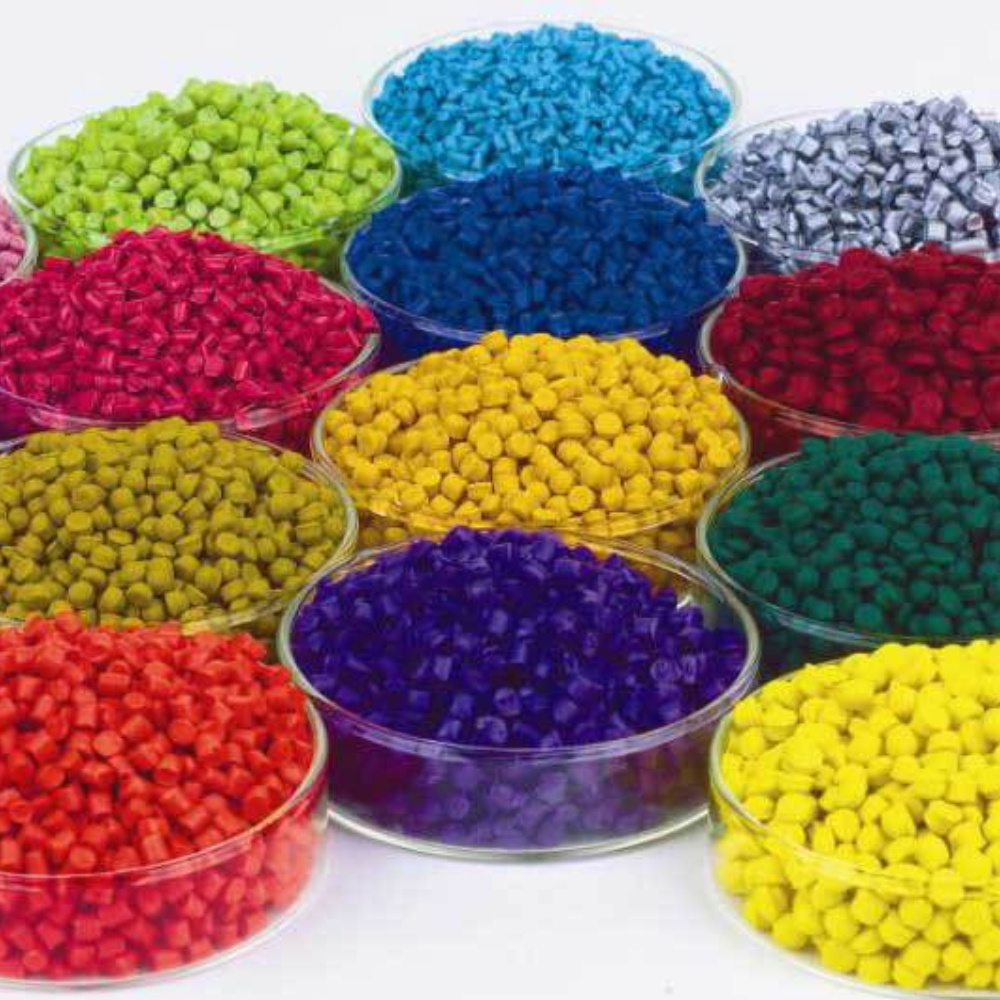
มาสเตอร์แบทช์สีหรือที่เรียกว่าสีเข้มข้นสำหรับพลาสติก เป็นเม็ดพลาสติกที่ใช้เป็นหลักในการทำสีพลาสติก
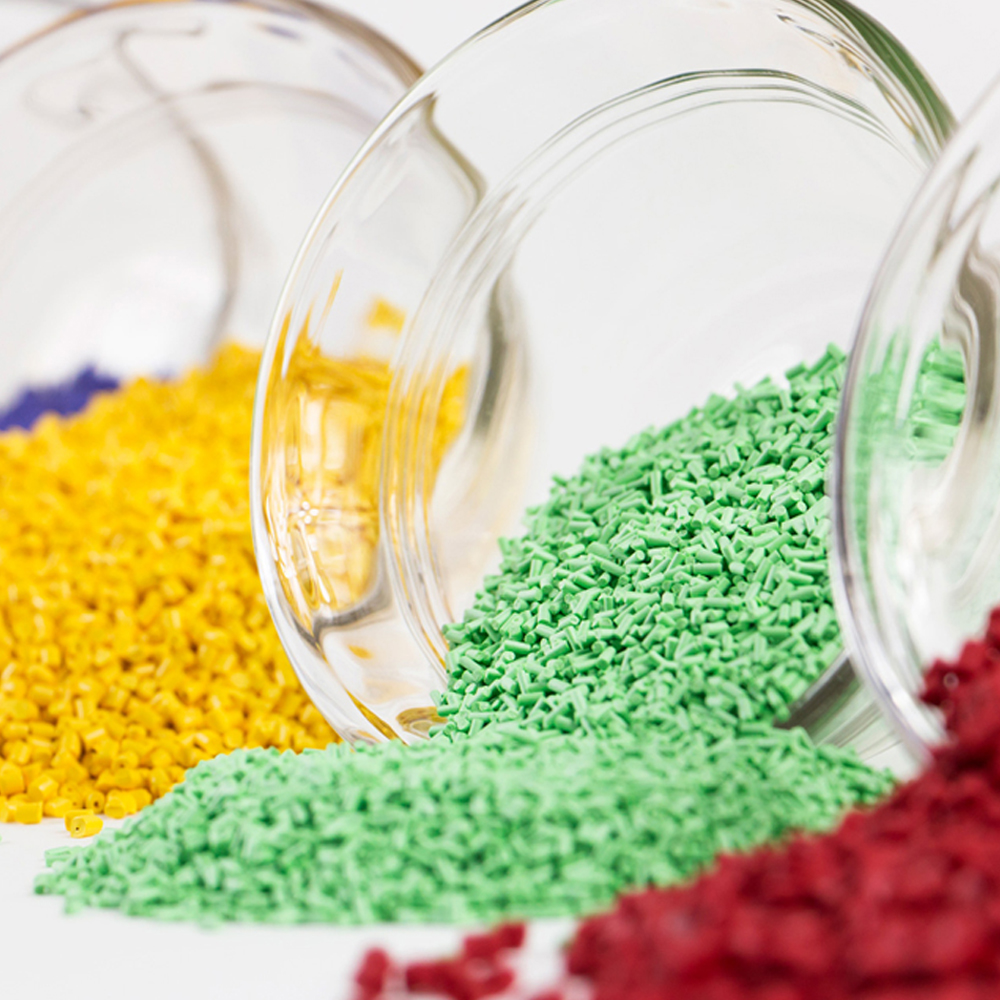
คุณเคยสงสัยหรือไม่ว่ามาสเตอร์แบทช์เชิงหน้าที่คืออะไร และสามารถจำแนกออกเป็นประเภทต่างๆ ได้อย่างไร มาสเตอร์แบทช์เชิงหน้าที่เป็นรูปแบบเข้มข้นของสารเติมแต่งพลาสติกหลายชนิด
©2023. ผู้ผลิตมาสเตอร์แบทช์สงวนลิขสิทธิ์
ทีมของเราจะส่งข้อเสนอที่ดีที่สุดใน 20 นาที