

Aromatherapy in Plastics: Unveiling the World of Fragrance Masterbatches
In recent times, our sensory experiences have gained prominence in influencing consumer choices, significantly impacting sales across various industries.
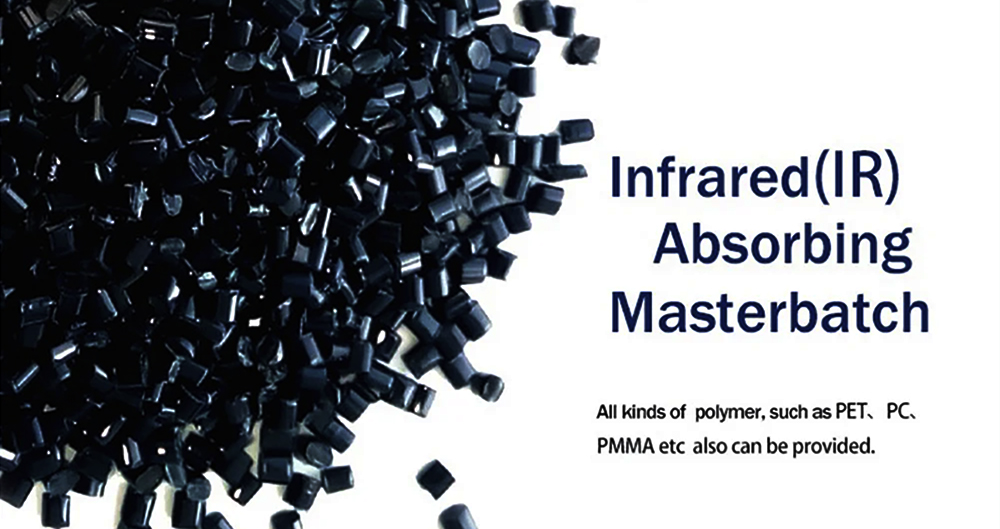
An IR masterbatch is a concentrated blend of additives dispersed into a polymer carrier resin. When added to a base plastic, it alters the material’s infrared behavior. Depending on the formulation, an IR masterbatch can:
Absorb IR light to retain heat or block laser radiation
Reflect IR light to reduce heat buildup
Transmit IR wavelengths for sensors or optical components
Common end-uses include greenhouse films, automotive interiors, window films, laser protection materials, and advanced electronic components.
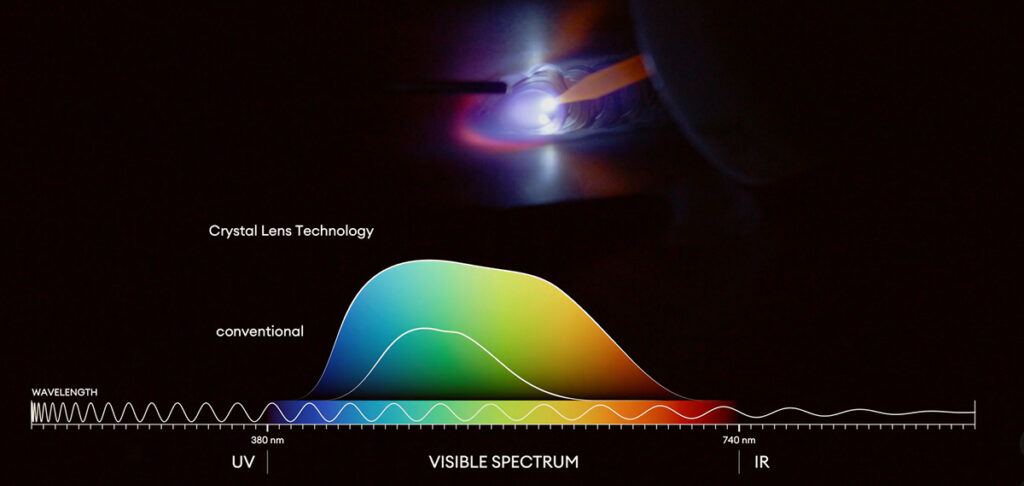
These masterbatches contain high-performance infrared absorbers that trap heat by allowing short-wave IR to enter but preventing long-wave IR from escaping.
Functions:
Retains heat by absorbing long-wavelength IR radiation
Protects against laser exposure by absorbing harmful IR beams
Applications:
Agricultural greenhouse films for improved nighttime heat retention
Laser protection materials, including goggles and protective films
Heat insulation films for buildings and vehicles
Infrared camouflage for security and defense systems
Infrared reflecting masterbatches specialize in blocking or reflecting specific IR wavelengths to reduce heat absorption.
Functions:
Keeps surfaces cooler by reflecting IR radiation
Controls internal temperatures without relying on additional energy
Applications:
Automotive interiors, especially dashboards and trims that must stay cool
Greenhouse films that prevent overheating in hot climates
Window films used in architectural and industrial heat-control systems
Designed to allow infrared light to pass through the material with minimal interference, these masterbatches are essential for optical and sensing applications.
Functions:
Enhances IR transparency for sensors, cameras, and optical devices
Enables proper wavelength transmission for electronic and communication devices
Supports recycling by enabling near-infrared (NIR) sorting
Applications:
Remote control covers, sensor windows, and surveillance camera components
Gas sensors and industrial detectors
Recycling of black plastics, where NIR transparency allows automated sorting
IR-active additives improve the accuracy and contrast of laser marking on plastics and enhance compatibility for laser welding operations in manufacturing.
IR camouflage materials absorb or scatter IR wavelengths to reduce detection
Laser protective eyewear shields eyes from harmful infrared emissions
IR masterbatches are widely used in:
Sensor switches
Infrared gratings
Laser radar (LiDAR) systems
IR films help greenhouses retain nighttime heat, improving crop yields and reducing heating costs.
Used in dashboards, trims, and window films to reduce heat absorption and improve passenger comfort.
Enhances performance in remote controls, motion sensors, optical filters, and other IR-based devices.
Essential in protective gear, IR blocking films, and stealth/camouflage systems.
Widely used in laser marking, laser welding, and infrared-based quality inspection systems.
Contact us today to discuss your requirements for IR masterbatches for polycarbonate sheets and window films.
Our technical specialists will help you choose or customize the right product to meet your optical and thermal performance goals.
Learn more knowledge and trends in masterbatch industry from our blog.

In recent times, our sensory experiences have gained prominence in influencing consumer choices, significantly impacting sales across various industries.

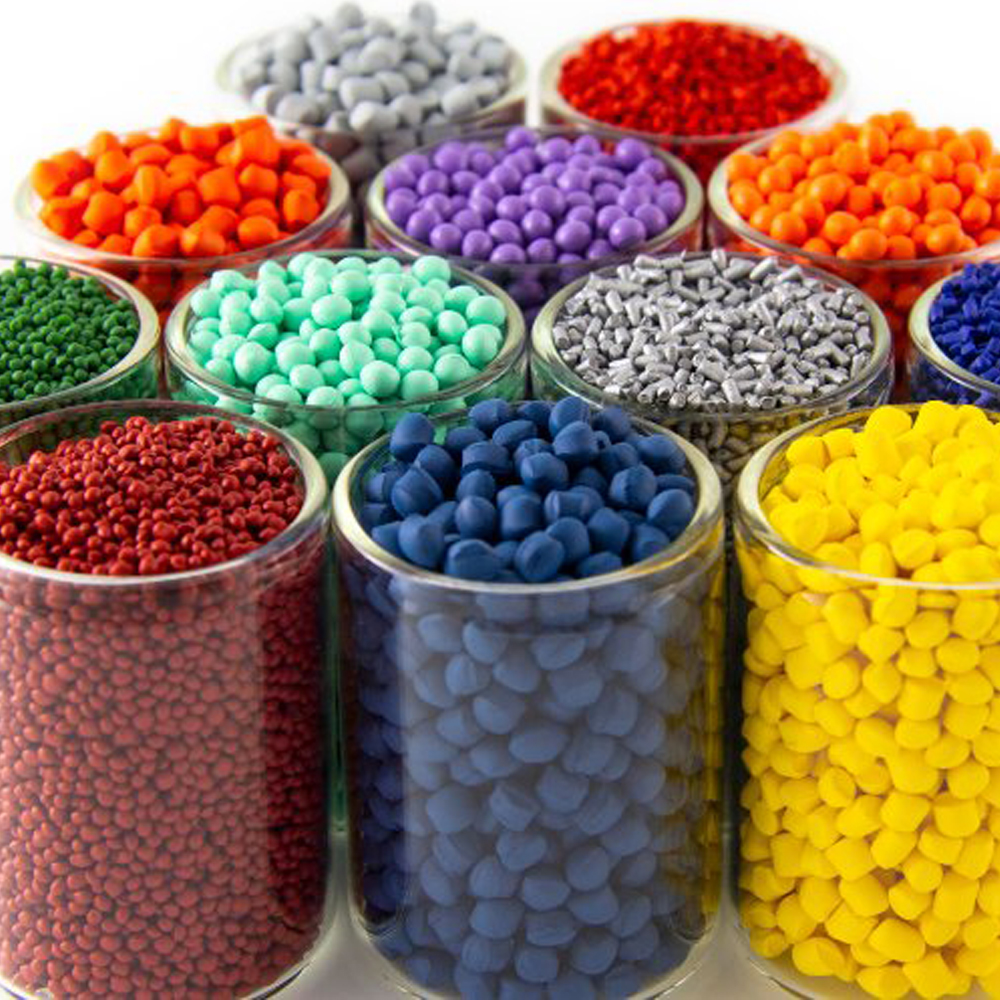
Masterbatch refers to a solid additive used in the plastics industry to enhance properties or impart color to polymers. Essentially, it is a highly concentrated mixture of pigments or additives dispersed within a polymer carrier. This mixture is subjected to heat and high-shear mixing in an extruder, then cooled, cut, and transformed into granules or pellets through a pelletizer.

Color precision and calibration are pivotal when it comes to ensuring accurate coloration. To achieve this, it’s highly recommended to establish a tangible standard reference point for color and perform rigorous testing before finalizing the masterbatch formulation.
©2023. Masterbatch Manufacturer All Rights Reserved.
Our team will send back the best offer in 20 minutes.