Why Frosted Plastic Cups Are Rising in Popularity: The Role of Frosted Masterbatch

Table of Contents

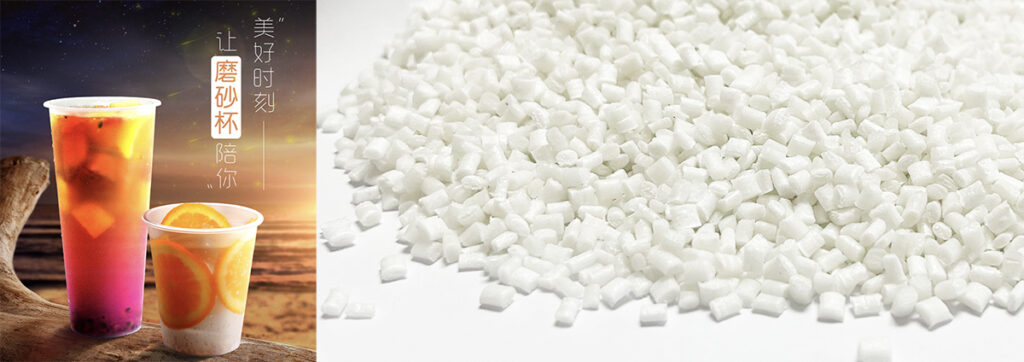
Frosted plastic cups have quickly become a top choice among beverage brands, retailers, and consumers—and the secret behind their growing popularity is the use of frosted masterbatch. As a modern functional additive that enhances texture, appearance, and performance, frosted masterbatch is reshaping the way plastic products are designed and manufactured.

What Makes Frosted Masterbatch Special?

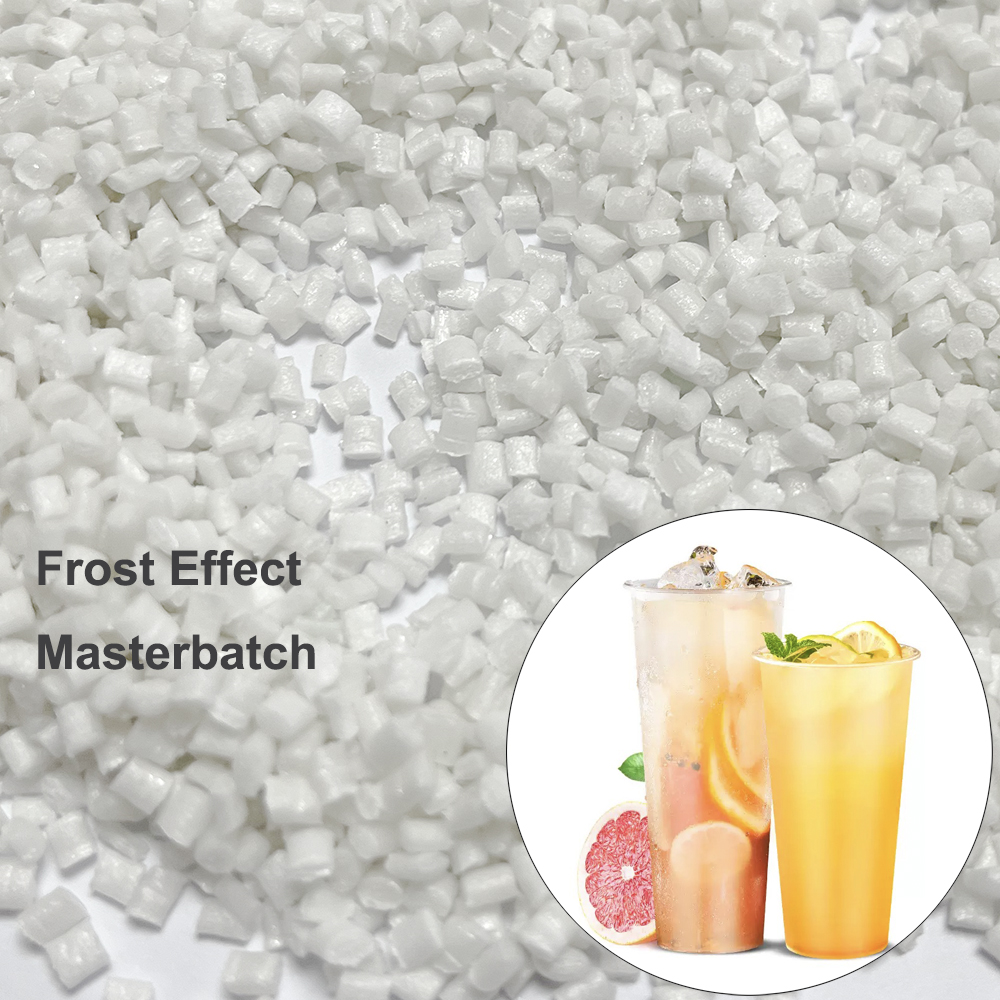
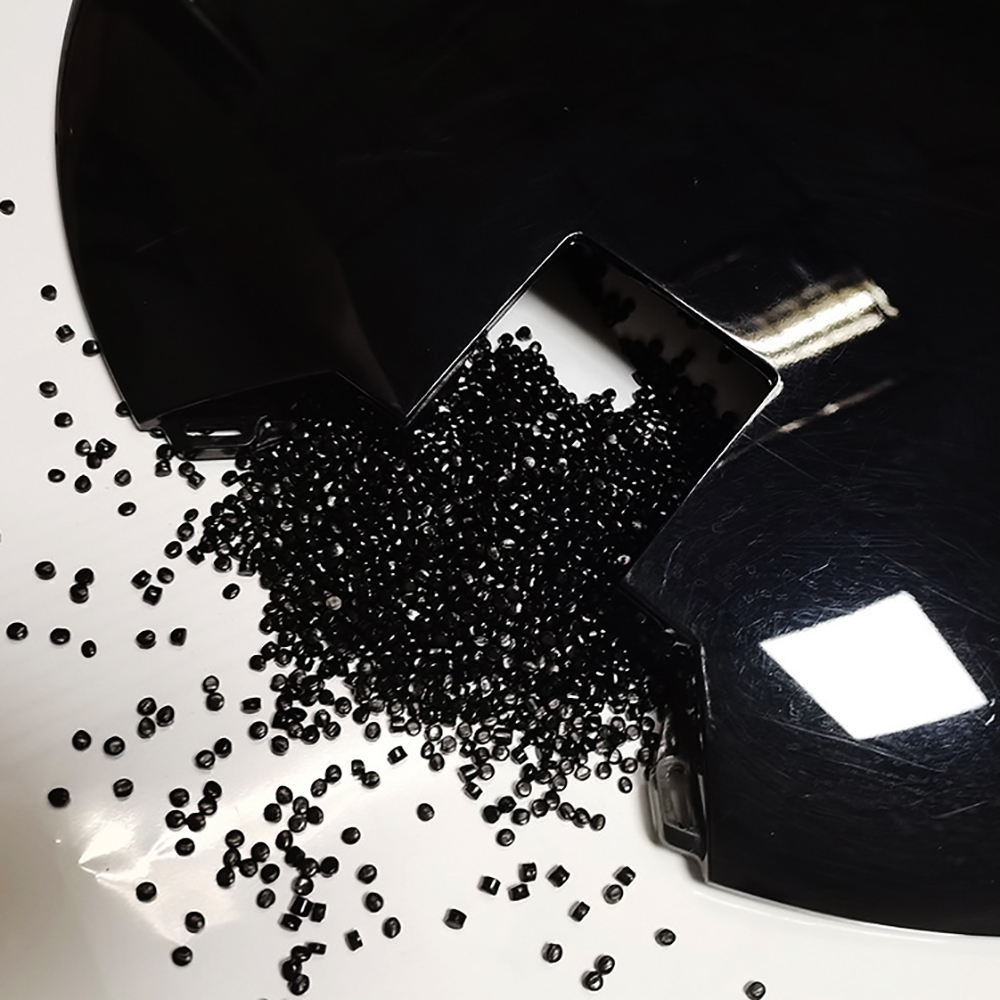
The elegant, matte appearance of frosted products comes from the unique formulation of the frosted masterbatch. Typically composed of a carrier resin, abrasive agents, and functional additives, the masterbatch is produced through controlled mixing, extrusion, and pelletizing processes. This allows the abrasive components to disperse evenly throughout the material, creating a consistent frosted effect with enhanced haze and a refined touch.

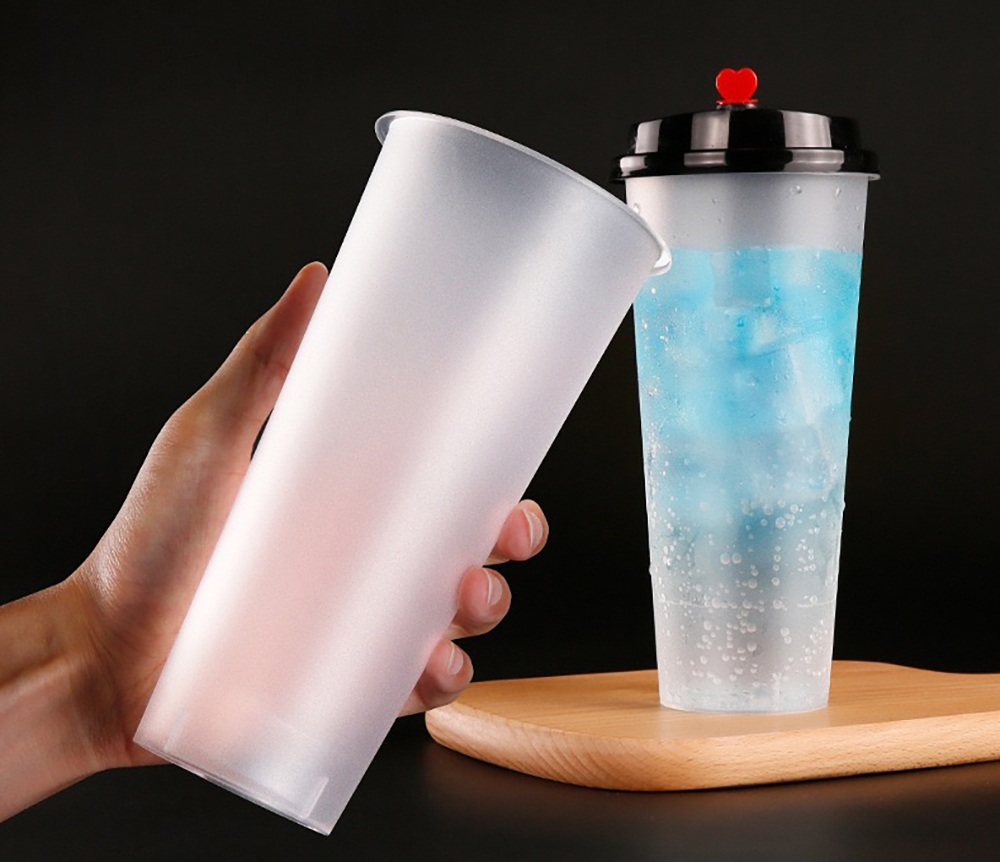
This technology explains why frosted items—especially frosted milk tea cups—have become so appealing in today’s market.

Why Matte Masterbatch Matters: Key Advantages

1. Enhances Appearance and User Experience

Plastic items made with matte masterbatch feel smooth and premium, elevating the overall aesthetic and satisfying consumer expectations for modern, high-end design.

2. Improved Functionality

The frosted surface is not just for looks. It offers added benefits such as anti-slip performance, wear resistance, and reduced fingerprint visibility—ideal for products frequently held or used.

3. Simple and Cost-Effective Processing

Matte masterbatch works well with many plastic types and can be added directly into existing production lines without additional machinery, helping manufacturers reduce costs.

4. Eco-Friendly and Resource Efficient

Because it eliminates the need for extra surface treatments, matte masterbatch supports recyclability and reduces environmental impact.

Where Matte Masterbatch Is Used

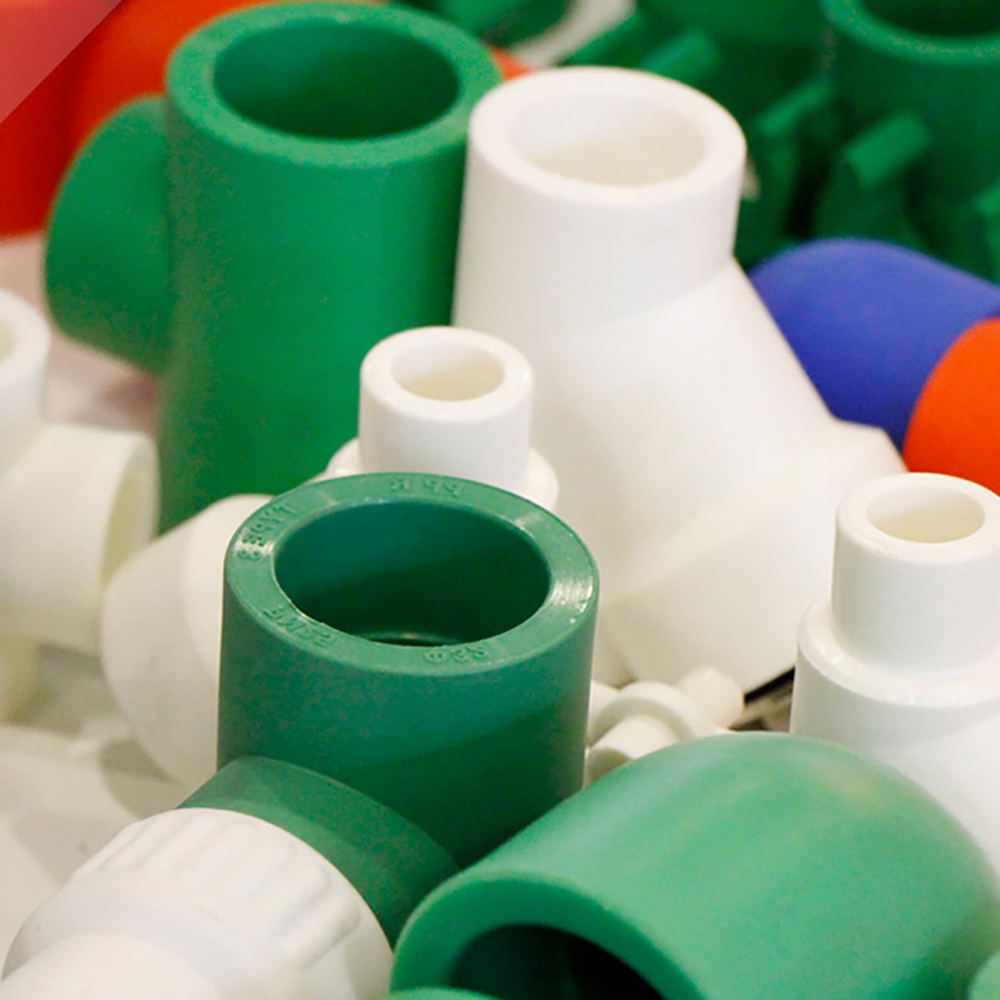
Thanks to its versatile properties, matte masterbatch is widely utilized beyond beverage cups. Here are some of its most common applications across industries:

Packaging Industry

• Food Packaging

Frosted surfaces enhance the look of packaging while providing scratch resistance. Beverage cups for tea and coffee shops are the most prominent example.

• Cosmetic Packaging

Frosted bottles and tubes not only look luxurious but also offer better grip and increased usability.


Home Furnishings

• Tableware and Storage Products

These items benefit from the attractive matte finish and added slip resistance.

• Home Accessories

Drawers, decorative panels, and small furnishings gain durability and a refined touch with a frosted look.


Electronics

• Mobile Phone & Protective Cases

Matte cases help prevent fingerprints and offer a comfortable hand feel—key reasons they remain best-sellers.

• Appliance Panels

Frosted surfaces elevate the appearance of appliance control panels, giving them a sleek, premium finish.


Automotive Components

• Interior Parts

Dashboards, door handles, and trims gain both durability and aesthetic appeal.

• Exterior Parts

Components such as mirror covers and trim pieces benefit from the scratch-concealing and high-end appearance of a frosted finish.


Industrial Applications

• Industrial Handles

The frosted texture increases grip stability and safety.

• Equipment Housing

Frosted surfaces help hide scratches and improve the overall product lifespan.

A Material with Expanding Commercial Potential

As a modern plastic additive, frosted masterbatch is enhancing both the look and performance of plastic products. Its matte, translucent finish adds sophistication across various sectors—from packaging and electronics to household goods and automotive components. With consumers increasingly valuing aesthetics and functionality, market demand for frosted masterbatch continues to grow.

Product Overview: Frosted Masterbatch Series

The frosted masterbatch line is produced by blending plastic substrates with abrasive agents through specialized technology. It creates a soft matte texture on thermoformed surfaces, delivering:

  • Excellent light diffusion

  • A uniform frosted appearance

  • A translucent, elegant matte finish

It is especially suitable for PP, PET, and other materials requiring a high-quality frosted effect.

Importantly, the product complies with GB9685-2016, the national standard for additives used in food-contact materials, ensuring safety and hygiene for direct use in food packaging applications.

Technical Specification

ITEMDosageMelting PointHot StabilityApplication
PP-WHP05964-8%125℃≤300℃PP Sheets, Bottles, Cups Thermoforming
PET-L11454-10%300℃PET Sheets, Bottles, Cups Thermoforming
Contact

Learn more knowledge and trends in masterbatch industry from our blog.

滚动至顶部

Inquiry

Our team will send back the best offer in 20 minutes.

Inquiry