Recognize the Fundamental Characteristics and Practical Applications of PPA Masterbatch
Here at Masterbatch Manufacturers, our commitment to providing valuable insights across diverse topics remains unwavering.
Masterbatch provides an economical and efficient way to color raw polymers or incorporate functional properties into plastics during manufacturing.
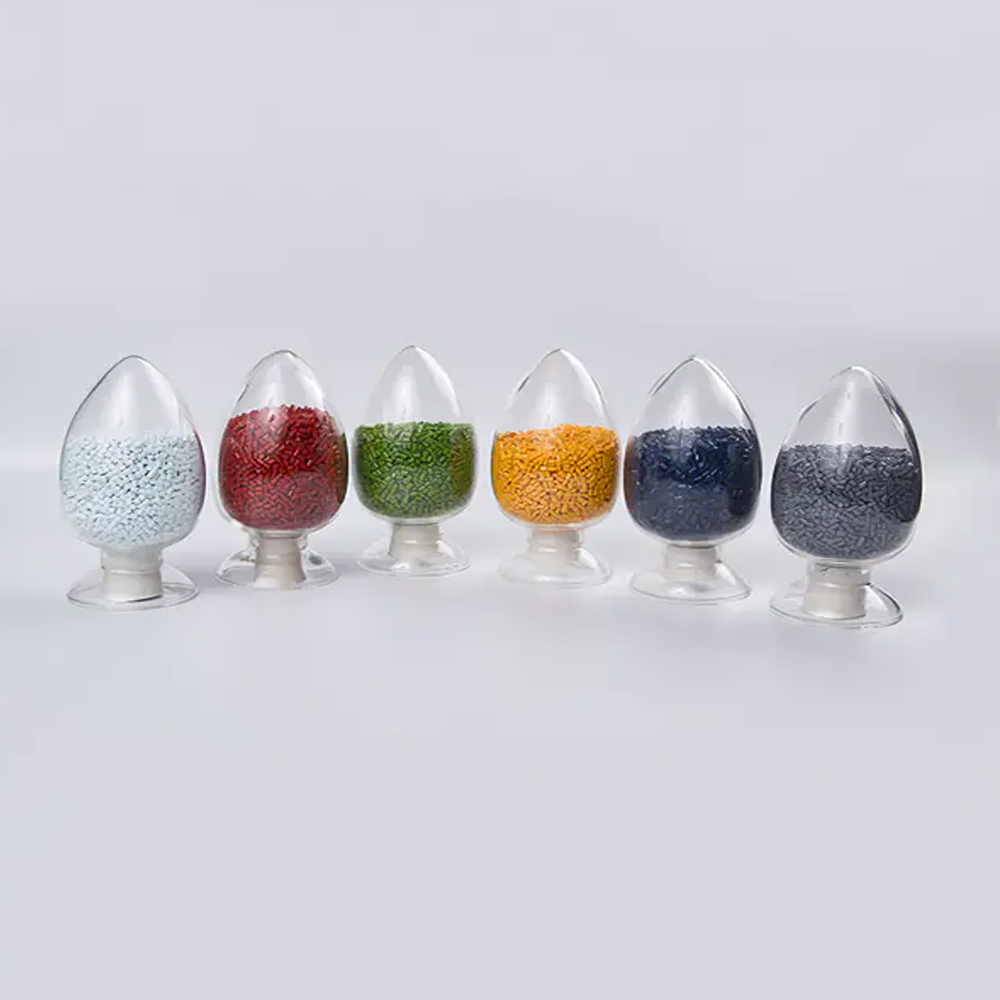
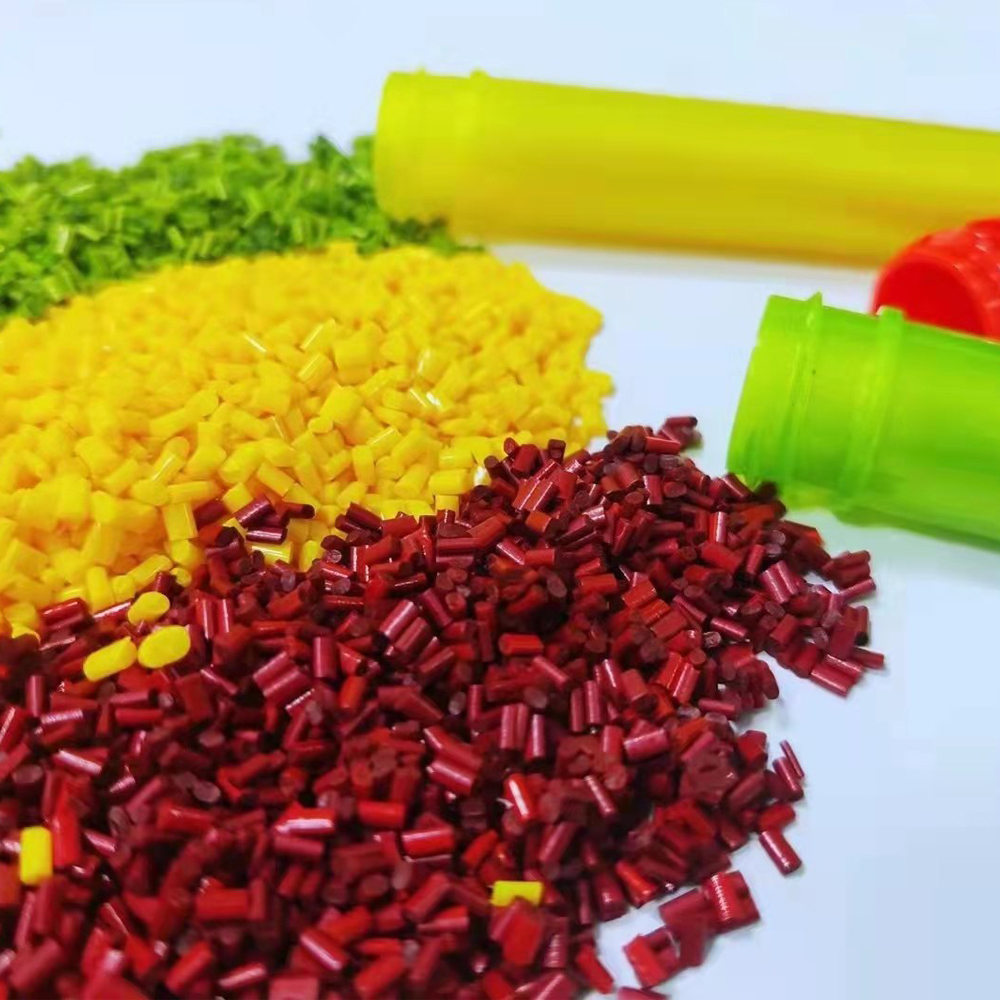
Color masterbatch, also known as color concentrate, is specifically designed for adding color to thermoplastics. It comprises one or more colorants combined with a carrier resin that matches the polymer. The formula, or “recipe,” of the masterbatch is customized to meet specific application requirements.
Masterbatches are known for their high concentration, enabling a small quantity to achieve significant results. For instance, a 25 kg bag of masterbatch can evenly color or enhance up to a tonne of natural polymer. This “let-down ratio” reduces material usage while maintaining precision.
Masterbatch simplifies the incorporation of additives by enabling direct mixing of granules with the base polymer. This eliminates the need for specialized dosing equipment to handle minuscule quantities of powder and enhances accuracy in achieving the desired additive levels.
By improving the dispersion of pigments and additives, masterbatch ensures greater consistency in final products. This also leads to more stable production processes with reduced variability.
Hazardous additives in their raw form can pose significant safety risks. Encapsulating these materials in a polymer resin reduces their potential harm, minimizes exposure, and often eliminates the need for extensive personal protective equipment (PPE).
Masterbatch contributes to tidier production lines. Without powdered pigments or additives prone to spillage or static adhesion, production areas experience reduced contamination, quicker transitions between product batches, and more efficient workflows.
Encapsulation also protects additives from environmental factors like humidity, temperature fluctuations, and UV exposure, extending their shelf life and preserving functionality during storage.
For applications requiring antimicrobial properties, masterbatch offers a seamless way to incorporate these technologies, ensuring consistent performance across a wide range of products.
Masterbatch provides distinct advantages over using raw pigments:
Masterbatch stands out as an essential component in modern plastics manufacturing. By combining precision, safety, and efficiency, it addresses the limitations of raw pigments while delivering superior results. Whether it’s adding vibrant colors or integrating functional properties, masterbatch technology is a versatile and reliable solution for industries seeking high-quality, consistent, and sustainable plastic products.
Learn more knowledge and trends in masterbatch industry from our blog.

Here at Masterbatch Manufacturers, our commitment to providing valuable insights across diverse topics remains unwavering.

Masterbatches are vital in polymer processing, enabling the integration of color pigments, additives, or antimicrobial agents into polymer resins. A masterbatch is a concentrated mixture of an additive encapsulated in a carrier material like polyethylene (PE) or polypropylene (PP). While pellet or chip forms are most common, liquid masterbatches are also available for specific uses and materials.

An infrared IR masterbatch is a concentrated blend of special additives combined with a base polymer to give plastic materials unique infrared properties. Depending on the formulation, IR masterbatches can absorb, reflect, or transmit infrared radiation.
©2023. Masterbatch Manufacturer All Rights Reserved.
Our team will send back the best offer in 20 minutes.