Understanding the Styrene-Isoprene-Styrene Copolymer

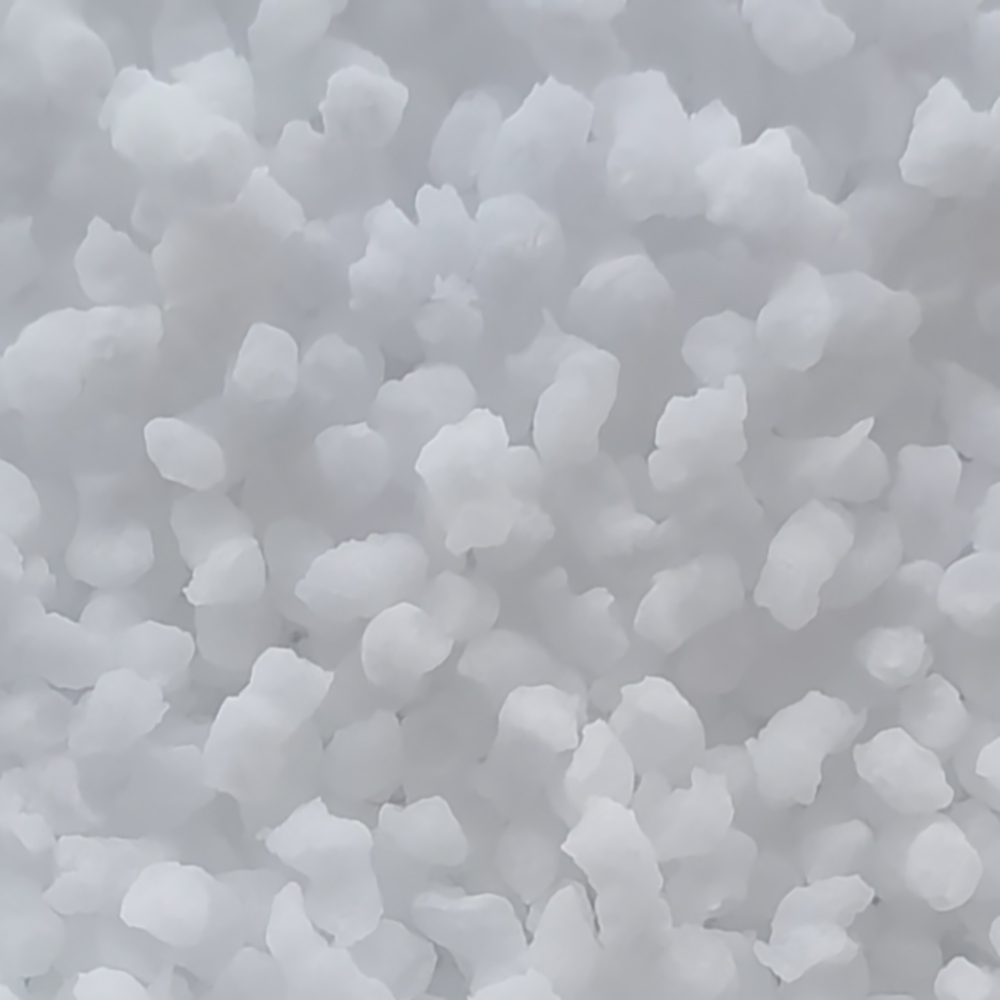
Styrene-Isoprene-Styrene (SIS) copolymer represents a transparent, sequential polymer composed of styrene and isoprene units, primarily utilized in the formulation of adhesives, sealants, and coatings. Its compatibility with a range of materials such as hydrocarbon resins, plasticizers, and additives makes it an ideal candidate for various industrial applications.

Tailoring Formulations for Diverse Products:

Through the incorporation of suitable hydrocarbon resins, plasticizers, and additives, SIS can be customized to produce a wide array of hot-melt adhesives used in the manufacturing of baby diapers, adult incontinence products, feminine care items, and other non-woven articles. Its elastic attachment adhesives prove particularly effective in bonding elastic components to polyolefin and non-woven films, essential for creating stretchable waist and leg bands in hygiene products.

Versatile Applications and Properties:

SIS polymers boast remarkable thermal stability, high cohesion strength, spray ability, and superior adhesion, enhancing the performance of various products across industries.

Exploring Thermoplastic Elastomers:

Styrene-Butadiene (SBS) and Styrene-Isoprene (SIS) block copolymers are considered thermoplastic elastomers, blending the elasticity and resilience of butadiene or isoprene rubber with the moldability of polystyrene under heat.

Production and Characteristics:

The production process involves polymerizing styrene and either butadiene or isoprene under the influence of anionic initiators, leading to the formation of diblock and triblock copolymers. In the final product, clusters of hard, thermoplastic polystyrene are dispersed within a network of rubbery polybutadiene or polyisoprene.

Unique Properties and Applications:

Although SBS and SIS exhibit lower resilience compared to vulcanized rubber, their ease of processing and reprocessing, coupled with notable strength at room temperature, render them indispensable in various applications. They are commonly used in injection-molded parts, hot-melt adhesives (especially in footwear manufacturing), and as additives to enhance bitumen properties.

In conclusion, the Styrene-Isoprene-Styrene copolymer, alongside its counterparts in the thermoplastic elastomer family, exemplifies the fusion of elasticity, resilience, and processability, contributing significantly to modern manufacturing processes across diverse sectors.

SIS Copolymer
Contact

More Blogs

Learn more knowledge and trends in masterbatch industry from our blog.

White Masterbatch

White Masterbatch: Essential Information You Need to Know

In the plastic manufacturing industry, white masterbatch is crucial for producing high-quality, bright, and opaque plastic products. Whether you are working with packaging films, injection-molded parts, or extruded sheets, understanding the functionality of white masterbatch and selecting the right formulation is key to achieving performance, cost-efficiency, and visual appeal. In this guide, we’ll dive into the core components of white masterbatch, its applications, and offer tips for choosing a reliable supplier in China.

Read More »
Heat Insulation IR Masterbatch for Window Film

Infrared IR Masterbatch for Polycarbonate Sheets and Window Films

As a leading IR masterbatch manufacturer, we specialize in developing high-quality infrared additive solutions for polycarbonate (PC) sheets, window films, and other advanced plastic applications. Our innovative formulations are engineered to manage heat and light transmission, providing optimal thermal insulation, UV stability, and optical performance.

Read More »
滚动至顶部

Inquiry

Our team will send back the best offer in 20 minutes.

Inquiry