Understanding Black Masterbatch: The Essential Guide to Enhanced Polymer Performance

Table of Contents

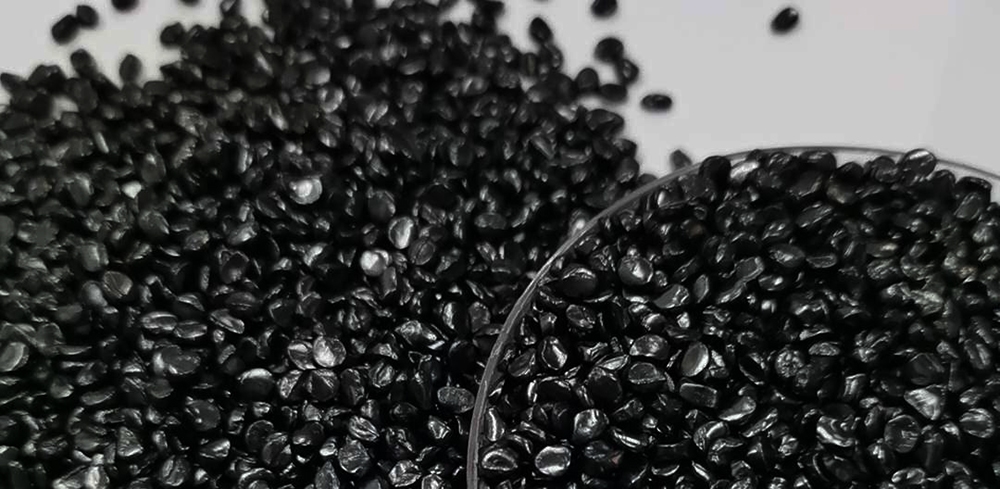
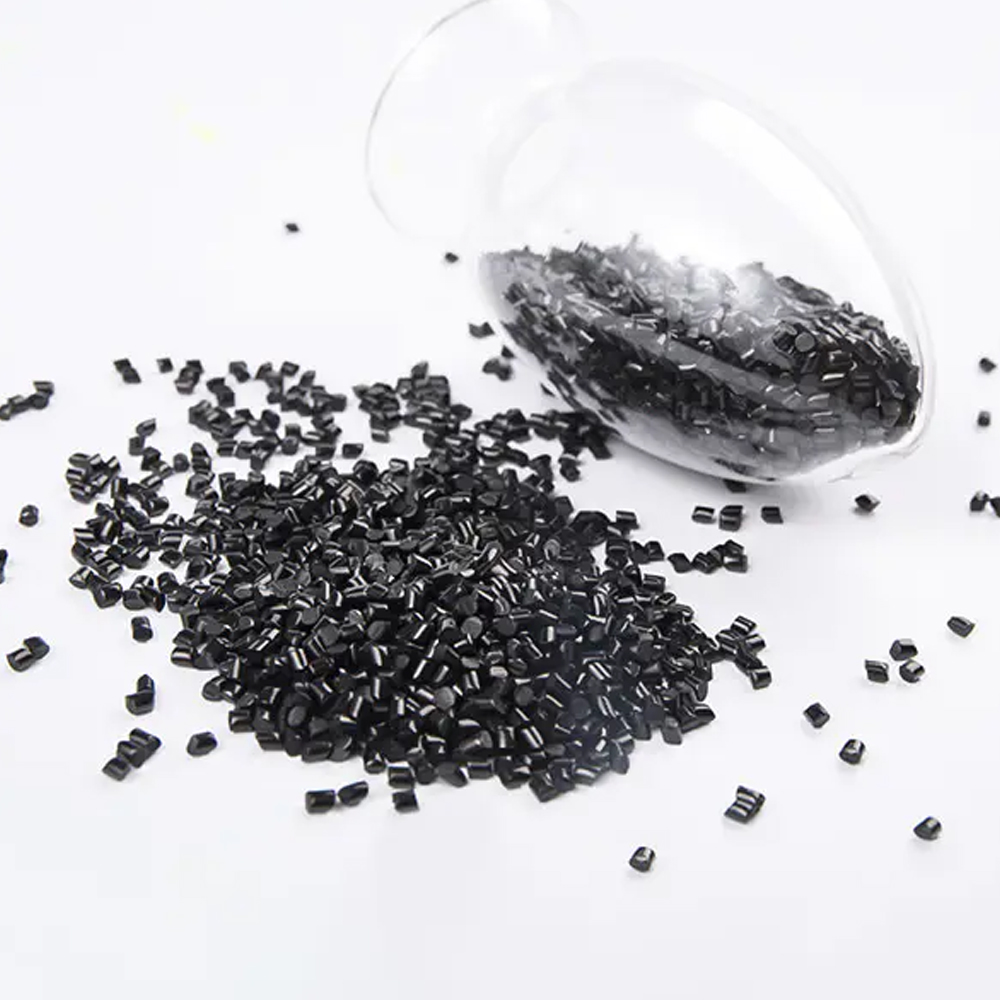
Black masterbatch is a crucial component in the plastics industry, serving as a concentrated mixture of carbon black and carrier resins that provides color and functional properties to plastic products.

This comprehensive guide will explore everything from basic concepts to advanced applications, helping manufacturers and buyers make informed decisions about black masterbatch usage.

What is Black Masterbatch and Why is it Important?

Black masterbatch consists of highly concentrated carbon black pigments dispersed in a carrier resin. It’s essential in the plastics industry for:

  • Providing deep, consistent black coloration
  • UV protection and weather resistance
  • Improving mechanical properties
  • Cost-effective processing
  • Enhanced electrical conductivity (in specific grades)
“Black masterbatch is not just about color – it’s about engineering superior plastic products that meet demanding performance requirements.”

The manufacturing process involves several critical steps:

  1. Raw material selection
  2. Precise mixing and dispersion
  3. Quality control testing
  4. Pelletizing and packaging

Key factors affecting quality:

  • Carbon black grade selection
  • Dispersion technology
  • Processing temperature
  • Carrier resin compatibility
TypePrimary UseKey Features
StandardGeneral purposeBasic coloration
UV-resistantOutdoor applicationsWeather protection
ConductiveElectronic applicationsElectrical properties
Food-gradeFood packagingRegulatory compliance

How to Choose the Right Black Masterbatch for Your Application?

Consider these essential factors:

  1. End-use requirements
  2. Processing conditions
  3. Regulatory compliance
  4. Cost considerations
  5. Performance specifications

What Are the Applications in the Automotive Industry?

The automotive sector demands high-performance black masterbatch for:

  • Interior components
  • Exterior trim
  • Under-hood parts
  • Fuel systems

How Does Black Masterbatch Perform in Agricultural Applications?

Agricultural applications require specific properties:

  • UV resistance for outdoor exposure
  • Chemical resistance
  • Mechanical strength
  • Weather durability

What Are the Latest Innovations in Black Masterbatch Technology?

Recent developments include:

  • Nano-carbon technology
  • Improved dispersion methods
  • Sustainable formulations
  • Enhanced processability

How to Optimize Processing Parameters?

Best practices for processing include:

  • Temperature control
  • Proper mixing ratios
  • Equipment maintenance
  • Quality monitoring

What Are the Quality Control Standards?

Essential quality parameters:

  • Dispersion testing
  • Color consistency
  • Mechanical properties
  • Thermal stability

What Are the Environmental Considerations?

Sustainability aspects include:

  • Recyclability
  • Carbon footprint
  • Waste reduction
  • Eco-friendly alternatives

Key Takeaways:

• Black masterbatch is essential for both aesthetic and functional properties in plastics • Selection depends on specific application requirements • Quality control and proper processing are crucial • Environmental considerations are increasingly important • Innovation continues to drive industry development

Contact

Learn more knowledge and trends in masterbatch industry from our blog.

White Masterbatch

White Masterbatch: Essential Information You Need to Know

In the plastic manufacturing industry, white masterbatch is crucial for producing high-quality, bright, and opaque plastic products. Whether you are working with packaging films, injection-molded parts, or extruded sheets, understanding the functionality of white masterbatch and selecting the right formulation is key to achieving performance, cost-efficiency, and visual appeal. In this guide, we’ll dive into the core components of white masterbatch, its applications, and offer tips for choosing a reliable supplier in China.

Read More »
滚动至顶部

Inquiry

Our team will send back the best offer in 20 minutes.

Inquiry